
Propylene Glycol in Water-Based Lubricants: Properties and Formulation Considerations
Article Summary
Propylene glycol is a water-soluble ingredient used in various personal care formulations. In water-based lubricant development, it may be considered for its solvent and humectant properties. This article explores its basic characteristics, potential formulation roles, and key considerations for manufacturers.
Introduction
Selecting suitable raw materials is an important part of developing water-based personal lubricants. Each ingredient needs to be evaluated according to its properties and its compatibility with the overall formulation.
One ingredient frequently used in personal care products is propylene glycol. Its water solubility and formulation versatility make it a material that manufacturers may consider when developing water-based products.
1. What Is Propylene Glycol?
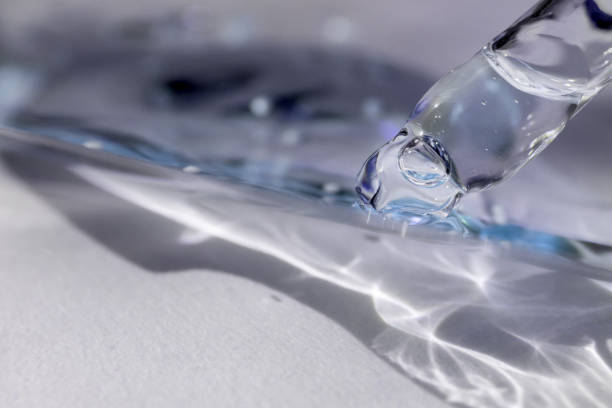
Propylene glycol is a colorless, nearly odorless, water-miscible liquid. It is used in a variety of industries, including personal care, cosmetics, and pharmaceutical formulations.
Depending on the formulation, propylene glycol may serve as a solvent, humectant, or carrier for certain ingredients.
Its actual role in a personal lubricant depends on the selected grade, concentration, other formulation components, and intended application.
2. Why Is Propylene Glycol Considered in Water-Based Formulations?
Propylene glycol has several properties that may be relevant to water-based product development.
Water miscibility: It can mix with water, making it suitable for evaluation in many aqueous formulation systems.
Solvent properties: It may help incorporate certain compatible ingredients into a formulation.
Humectant properties: It can contribute to the moisture-related characteristics of a product.
These properties make propylene glycol a versatile formulation ingredient. However, its inclusion does not automatically improve lubrication performance or guarantee a particular sensory experience.
3. Key Considerations When Using Propylene Glycol
Before incorporating propylene glycol into a personal lubricant, manufacturers should consider several aspects.
- Raw material grade: Confirm that the selected grade meets the requirements of the intended product application.
- Concentration: Evaluate how the amount used affects the finished formulation.
- Compatibility: Check interactions with other ingredients in the system.
- Sensory characteristics: Assess the finished product’s feel and overall user experience.
- Intended use: Products intended for intimate or mucosal contact require appropriate evaluation of the complete formulation.
The suitability of propylene glycol should always be determined through formulation assessment and relevant product testing.
4. Raw Material Selection for Product Development
For B2B manufacturers and brands, ingredient selection should involve more than identifying a commonly used material. Technical specifications, quality documentation, supply consistency, and application suitability are also important.
Dongguan Yanxuan Biotechnology Co., Ltd., based in Dongguan, China, focuses on raw material research and manufacturing for personal care-related applications. The company provides B2B raw material supply and formulation development support.
For brands exploring water-based lubricant products, understanding the properties of individual ingredients can help clarify formulation goals and support more informed material selection.
Conclusion
Propylene glycol is a versatile, water-miscible ingredient used in various formulation systems. Its solvent and humectant properties make it a potential ingredient for evaluation in water-based lubricant development.
However, its suitability depends on the raw material grade, concentration, ingredient compatibility, and intended product application.
A carefully developed formulation should always be assessed as a complete system to ensure that its characteristics meet the intended product requirements.
