
Propylene Glycol in Water-Based Lubricants: Solvent Function and Formulation Considerations
propylene-glycol-water-based-lubricants Propylene Glycol in Lubricants; Water-Based Lubricant Ingredients; Personal Care Solvents; Lubricant Formulation
Introduction
Propylene glycol is a multifunctional ingredient used in many personal care formulations. In water-based lubricant systems, formulators may consider it for its solvent and humectant-related functions. Its contribution depends on the complete formula, concentration and intended application.
Ingredient Background and Function
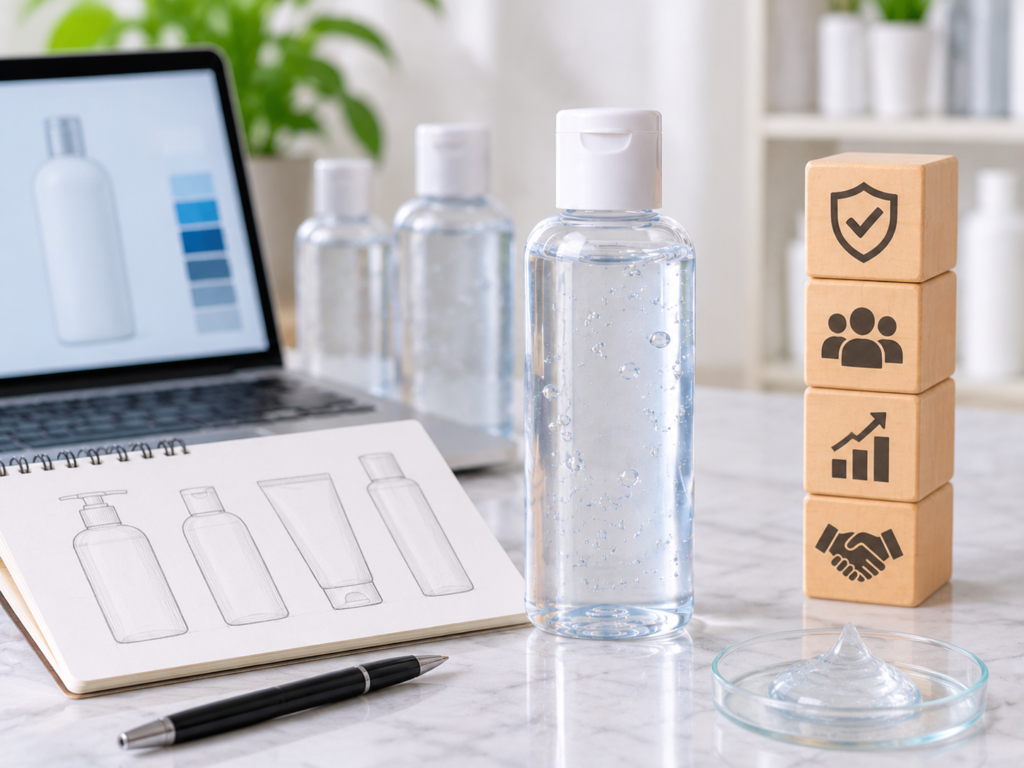
Propylene glycol is a small, water-miscible diol used in a range of cosmetic, personal care and other formulated products. It can function as a solvent or carrier for selected ingredients and may also contribute to humectant properties. In a water-based lubricant, these functions need to be evaluated in the context of the aqueous base, polymer system and any botanical or sensory ingredients included.
Formulation Design Considerations
Ingredient solubility is one reason formulators review propylene glycol. Some components may require help dispersing or dissolving in a water-based system, but compatibility is ingredient-specific. A material that dissolves in a solvent blend under one condition may behave differently when pH, temperature, concentration or other ingredients change. Small-scale compatibility testing can identify haze, precipitation, separation or changes in viscosity before scale-up.
Compatibility and Development
Propylene glycol can also influence the sensory properties of a finished product. Its level may affect the balance between slip, tackiness, drying feel and overall product character. These effects should not be described as guaranteed benefits: they vary with the formula and the way the product is used. Developers should define the desired sensory profile and test a range of appropriate concentrations within applicable limits.
Yanxuan Raw Material and Formulation Support
Yanxuan, Dongguan Yanxuan Biotechnology Co., Ltd., supplies raw materials used in personal care and lubricant formulations, including propylene glycol and complementary ingredients. As a raw material manufacturer, the company works with B2B customers on ingredient selection and formulation development considerations. This can help product teams assess propylene glycol together with thickeners, humectants, preservatives and other components required by the product concept.
Selection, Evaluation and Responsible Use
Before choosing a grade or setting a use level, manufacturers should review the material specification, intended application, relevant regulatory requirements and compatibility with packaging. A complete formula needs stability, microbiological and safety assessments appropriate to its product category. For products intended for intimate contact, the assessment must address the entire formulation and its actual exposure conditions.
Conclusion
Propylene glycol can serve useful roles in water-based lubricant systems, but its selection should be driven by solubility, sensory targets and whole-formula compatibility—not by a generic assumption that one level suits every product.
