
Triethanolamine in Carbomer Gel; pH Adjusters; Carbomer Neutralization; Gel Formulation
Triethanolamine in Carbomer Gel Systems: Neutralization and pH Adjustment
Introduction
In many carbomer-based aqueous gels, neutralization is an important part of building viscosity. Triethanolamine is one neutralizing and pH-adjusting ingredient formulators may evaluate, subject to the formula’s requirements and applicable regulations.
Ingredient Background and Function
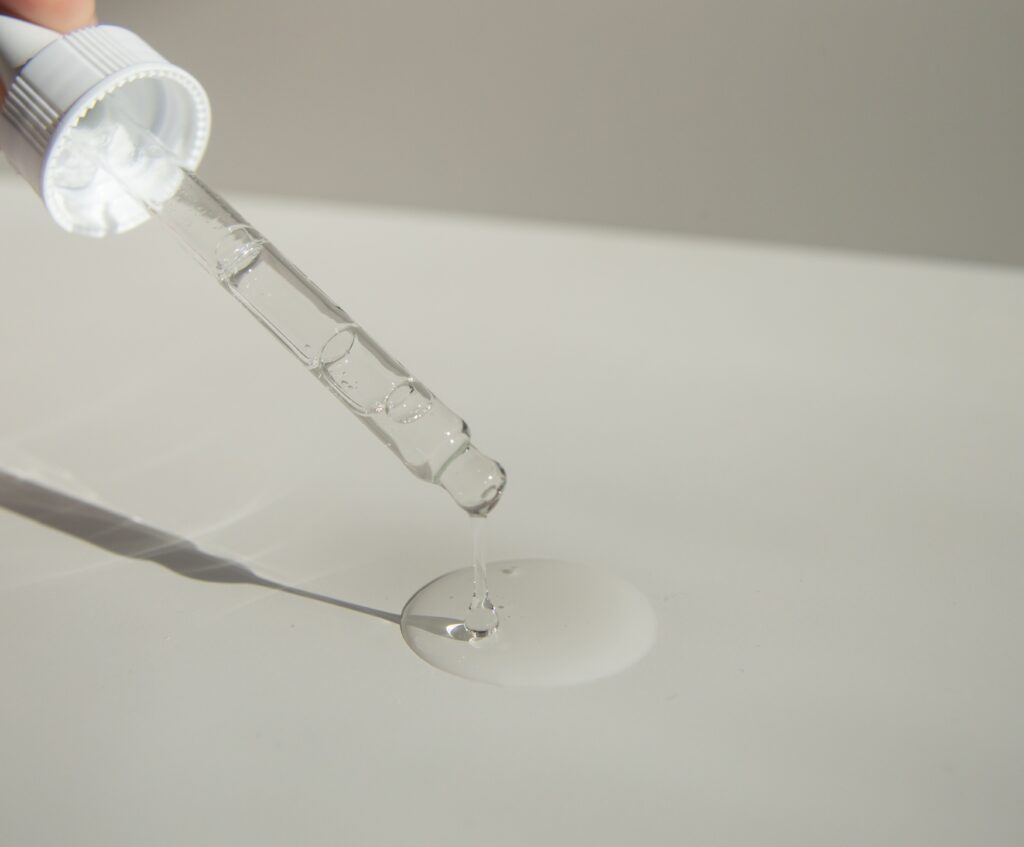
Carbomer polymers are commonly supplied in an acidic form. When dispersed in water and appropriately neutralized, the polymer chains expand and the system can develop a gel structure. Triethanolamine may be used to neutralize carbomer and adjust pH in selected formulations. The exact amount is not universal: it depends on the carbomer grade, polymer concentration, other ingredients and target pH.
Formulation Design Considerations
Neutralization should be controlled rather than treated as a simple final adjustment. Adding neutralizer too quickly or without adequate mixing may create local pH differences and uneven gel development. A measured addition process, sufficient hydration and consistent mixing can improve reproducibility. Formulators should record addition order, mixing conditions and pH measurement details during trials.
Compatibility and Development
The presence of humectants, salts, botanical extracts, preservatives and other additives can change the behavior of a carbomer system. Some ingredients may reduce viscosity or affect clarity and stability. Consequently, a gel that performs well in a simple water-and-polymer test may behave differently in the final lubricant. Compatibility and stability testing should use the complete ingredient list.
Yanxuan Raw Material and Formulation Support
Dongguan Yanxuan Biotechnology Co., Ltd. can provide triethanolamine, carbomer and other raw materials used in personal care formulation development. Yanxuan’s role as a raw material manufacturer allows B2B customers to discuss ingredient selection as part of a broader formulation plan. For developers, considering the neutralizer and polymer together can be more productive than purchasing each material without regard to the intended gel system.
Selection, Evaluation and Responsible Use
pH targets must be established for the specific product and intended use; there is no single pH value suitable for every personal care or intimate care product. Finished-product assessment should include viscosity, pH, appearance, stability, preservative performance and packaging compatibility. Products intended for intimate or mucosal contact require a qualified assessment of the complete formula and compliance with the relevant target-market rules.
Conclusion
Triethanolamine can support carbomer gel development when selected and used appropriately. Reliable results depend on controlled neutralization, full-formula compatibility and product-specific evaluation.
