
Chamomile Extract in Personal Lubricant and Intimate Care Formulations: Exploring Botanical Comfort and Formulation Potential
Introduction
As consumer interest in botanical-based personal care products continues to grow, plant-derived ingredients are becoming an increasingly interesting part of modern formulation development. In the personal lubricant and intimate care sectors, formulators are exploring botanical ingredients that can contribute to a more considered product experience while complementing the functional properties of the overall formula.
Chamomile extract is one such botanical ingredient. Traditionally associated with gentle personal care applications, chamomile offers formulation potential for products designed around skin conditioning, sensory comfort, and botanical-inspired care concepts.
For manufacturers developing personal lubricants and intimate care products, understanding the characteristics of chamomile extract can help inform ingredient selection and product positioning.
1. Understanding Chamomile Extract as a Botanical Ingredient
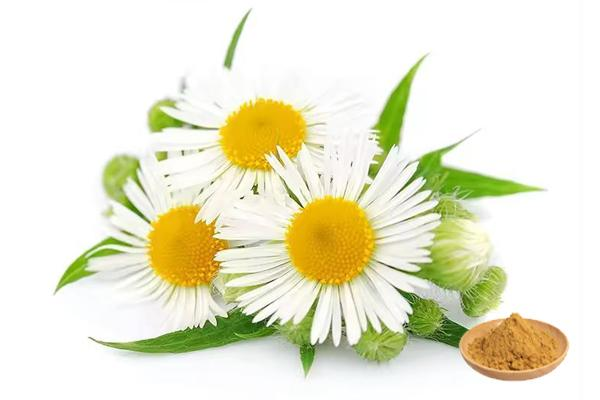
Chamomile refers to several plants within the Asteraceae family, with German chamomile (Matricaria recutita) and Roman chamomile (Chamaemelum nobile) being two commonly recognized varieties.
Chamomile-derived ingredients are used in different personal care formulations, particularly those developed around skin-conditioning and soothing-care concepts. Their composition can vary depending on the botanical species, plant part, extraction method, and ingredient specification.
Depending on its source and processing, chamomile extract may contain naturally occurring compounds such as flavonoids and other botanical constituents. These components contribute to the ingredient’s identity and are important considerations when evaluating its potential applications.
For B2B ingredient buyers, it is important to look beyond the ingredient name. Botanical identity, extraction method, carrier system, active-marker content, microbiological quality, and batch consistency can all influence the suitability of an extract for a particular formulation.
2. Why Consider Chamomile Extract in Personal Lubricant Formulations?
Personal lubricants are designed primarily to reduce friction and improve glide during use. However, modern product development increasingly considers additional formulation characteristics, including sensory properties, ingredient compatibility, and the overall user experience.
Chamomile extract can be explored as a botanical component in formulations where a plant-inspired care concept is desired.
2.1 Botanical Skin-Conditioning Concepts
Chamomile is widely recognized in personal care ingredient discussions for its association with gentle skin-conditioning formulations.
In a personal lubricant or external intimate care product, formulators may consider chamomile extract as part of a broader ingredient system designed to create a comfortable and well-balanced product experience.
However, the suitability of any botanical extract for a specific intimate application must be evaluated according to its grade, concentration, purity, formulation environment, and intended area of use. General cosmetic use does not automatically establish suitability for vaginal or other mucosal applications.
2.2 Supporting a Comfort-Oriented Product Concept
Consumers often associate chamomile with gentle and calming personal care experiences. This makes it an interesting ingredient for brands developing products with a botanical-inspired positioning.
From a formulation perspective, chamomile extract can be considered alongside the base ingredients responsible for lubrication, viscosity, and product stability.
It is important to distinguish between a sensory or marketing concept and a scientifically demonstrated effect. The presence of chamomile extract alone does not establish a neurological relaxation effect or guarantee relief from irritation.
2.3 Botanical Ingredient Combinations
Chamomile can also be explored as part of a multi-botanical formulation.
For example, a botanical concept may combine chamomile with other plant-derived ingredients selected for complementary formulation characteristics. The ingredient combination should be determined by the intended product function, compatibility, stability, and safety assessment rather than by the number of botanical ingredients included.
A well-designed botanical formula requires more than combining plant extracts. Each ingredient must have a clear formulation purpose.
3. Key Formulation Considerations for Chamomile Extract
Selecting a botanical ingredient for personal lubricant or intimate care development requires careful technical evaluation.
3.1 Botanical Source and Identification
The exact botanical species should be clearly identified. German chamomile and Roman chamomile are not interchangeable names, and their chemical profiles may differ.
Ingredient documentation should specify the botanical name, plant part, extraction process, and applicable ingredient nomenclature.
3.2 Extraction Method and Ingredient Specification
Different extraction methods can produce extracts with different compositions and physical properties.
B2B buyers should review relevant technical documents, including:
- Ingredient specification and identification
- Certificate of Analysis (COA)
- Safety Data Sheet (SDS), where applicable
- Extraction solvent and carrier information
- Microbiological quality information
- Relevant contaminant and purity testing
These documents help manufacturers assess whether an extract is suitable for their intended formulation and manufacturing requirements.
3.3 Compatibility with the Lubricant Base
Personal lubricants may use different formulation systems, including water-based, silicone-based, and hybrid systems.
A botanical extract intended for a water-based formulation should be evaluated for its solubility or dispersibility, color, odor, pH influence, and compatibility with other ingredients.
It may also affect viscosity, appearance, preservation requirements, or long-term stability. Therefore, compatibility testing should be conducted in the actual formulation rather than assumed from the ingredient’s general properties.
3.4 Concentration and Safety Assessment
The appropriate use level depends on the extract specification, formulation design, intended application, and available safety data.
For products intended for intimate areas or mucosal contact, additional attention should be given to irritation potential, sensitization, microbiological quality, and the safety of the complete formulation.
A botanical origin does not automatically mean that an ingredient is non-irritating or suitable for every application.
4. Combining Chamomile with Other Botanical Ingredients
The botanical formulation concept shown in our ingredient portfolio also includes Scindapsus, Lingzhi, Scutellaria, Saffron, and Ginseng.
These ingredients represent different botanical directions that can be explored during product development. Rather than treating them as interchangeable additives, formulators should evaluate each ingredient according to its identity, technical characteristics, and intended role.
For example, chamomile may be considered within a comfort-oriented botanical concept, while other extracts may be selected for different formulation or product-positioning objectives.
When combining multiple botanical extracts, formulators should pay attention to:
- Ingredient compatibility and solubility
- Color and odor changes
- pH and viscosity changes
- Preservation system compatibility
- Physical and chemical stability
- Safety of the complete formulation
A successful botanical formulation is not simply a longer ingredient list. It is a carefully balanced system in which every ingredient serves a defined purpose.
5. From Ingredient Manufacturing to Formulation Development
For personal lubricant and intimate care brands, ingredient selection is only one part of product development. Consistent raw material quality, reliable manufacturing, and practical formulation support are also important.
Dongguan Yanxuan Biotechnology Co., Ltd. is a China-based manufacturer focused on raw material development and production for personal care-related applications, with a business scope that includes ingredient supply and formulation development support for B2B customers.
As an ingredient manufacturer, Yanxuan places emphasis on understanding how raw materials perform within real formulation systems. This manufacturing-oriented approach helps connect ingredient characteristics with practical product development requirements.
For customers exploring botanical ingredients such as chamomile, ingredient evaluation may involve discussions around raw material specifications, application requirements, formulation compatibility, and the technical information needed for product development.
The objective is not simply to supply an ingredient, but to support customers in evaluating how it can be incorporated into a suitable formulation.
6. B2B Ingredient Supply and Custom Formulation Support
Different brands have different product goals. Some may prioritize a lightweight texture, while others may focus on a richer gel structure, a botanical-inspired concept, or a specific sensory profile.
For this reason, ingredient sourcing and formulation development should be considered together.
When evaluating a botanical ingredient supplier or manufacturer, B2B customers may wish to consider:
- Whether the ingredient source and specifications are clearly documented
- Whether batch consistency can be maintained
- Whether technical documentation is available
- Whether the ingredient can be evaluated in the intended formulation system
- Whether formulation development support is available
- Whether the manufacturer understands the requirements of personal lubricant and intimate care products
Dongguan Yanxuan Biotechnology Co., Ltd. works with B2B customers on raw material supply and formulation development needs, helping connect ingredient manufacturing with the practical requirements of finished-product development.
Conclusion
Chamomile extract offers an interesting botanical direction for personal lubricant and intimate care formulation development. Its established presence in personal care ingredient discussions makes it relevant to brands exploring botanical-inspired product concepts and skin-conditioning formulations.
However, successful application depends on more than the ingredient name. Botanical identification, extraction specifications, formulation compatibility, concentration, and application-specific safety evaluation all matter.
For manufacturers and brands developing botanical personal care products, working with an experienced ingredient manufacturer can help make the transition from raw material selection to practical formulation development more structured and efficient.
Dongguan Yanxuan Biotechnology Co., Ltd. supports B2B customers through its focus on ingredient manufacturing, raw material supply, and formulation development, helping customers explore ingredient possibilities and develop products aligned with their formulation objectives.
